

Live dealer games bridge the distance between a physical casino and playing online by streaming real human dealers straight to your screen. There is no random number generator pulling the strings. Every card shuffle, wheel spin, and dice throw happens in real time inside a professional studio. The experience blends the convenience of online betting around the social feel of a land‑based venue, and casino fs games has built its live casino lobby to achieve that balance. You can watch dealers run the table, hear the chips click and cards slide, and chat with them without leaving your couch. Knowing how the technology, rules, and etiquette fit together transforms a nervous first‑timer into someone who sits down with confidence. This article explores every layer of the live dealer experience, from the studio setup and game variety to connection quality, betting limits, and the small practical steps that make a session smooth and fun.
The Studio and Engineering Behind the Stream
Every live dealer game is produced in a specialized studio constructed to look and feel like a high‑end casino floor. Numerous high‑definition cameras cover the action from various angles, so you always catch a detail when a card turns or the roulette ball drops into a pocket. Optical character recognition technology transforms physical movements into digital data nearly instantly, enabling the on‑screen interface to display bet outcomes, winning numbers, and game history without the dealer doing a thing. The whole setup relies on low‑latency streaming protocols that encode video without sacrificing clarity, ensuring the action aligned across desktop and mobile devices. FS Casino pulls its live feeds from trusted studio providers who stick to strict lighting, sound, and equipment standards, so the visual quality stays consistent no matter what time you log in.
Behind the scenes, a production team watches every table and detects technical glitches before they reach your screen. The dealer’s table is filled with sensors, RFID readers, and sometimes smart card shoes that record each card automatically. This twofold layer of human oversight and machine verification renders manipulation nearly impossible and offers players objective proof that the results are fair. The studio environment itself is regulated for noise and temperature, because a comfortable dealer operates more consistently over a long shift. Players who understand this infrastructure are likely to trust the outcomes more than they could with standard digital table games, since they can watch every move unfold instead of trusting a software algorithm. The technology also facilitates multi‑table views, permitting a single account holder to track several games at once and jump between them with a tap.
Stake Limits, Fund Management, and Choosing a Table
Live dealer tables display minimum and maximum bet amounts plainly on the lobby thumbnail, and these limits range broadly to fit different bankroll sizes. A standard blackjack table may take wagers from $1 to $500, while a VIP baccarat table could start at $50 and top out at $10,000 per hand. FS Casino marks each table with its limit range so players can filter out games that do not match their budget before entering. This transparency eliminates the awkward moment of sitting down only to find out the stakes are too high. The limits also adjust occasionally based on demand; during peak evening hours, some low‑stakes tables increase their minimums slightly, while high‑limit tables may include extra seats to handle traffic.
Handling Your Money
Bankroll management works differently in live games than in fast‑paced digital ones because the round duration is longer. A blackjack hand in a live studio can need 45 to 60 seconds from deal to resolution, which means a $10 player could risk roughly $60 to $80 per hour rather than the $200 or more possible with rapid RNG play. This slower burn rate lets a modest deposit last longer, but it also requires patience. Setting a session loss limit before joining a table aids maintain discipline, because the immersive nature of live play can make it easy to recover losses. FS Casino offers responsible gaming tools that let players set deposit, loss, and time limits directly from their account dashboard, and these function across both live and digital games.
Playing on Mobile, Device Support, and Connectivity Advice
Live dealer games function on practically any modern smartphone or tablet without requiring a dedicated app download in most instances. FS Casino adjusts its live lobby for mobile browsers, so the same HTML5 technology that supports the desktop version adapts to smaller screens without issues. The interface adjusts itself to put the video stream at the top and the betting panel at the bottom, which allows a player to place chips with one thumb while watching the dealer with minimal eye movement. Landscape mode typically provides the best view, but portrait orientation operates for games like roulette where the wheel and betting grid can stack vertically. Tablets deliver an ideal middle ground, with enough screen real estate to see the dealer clearly and still access the full range of bet options without scrolling too much.
Connection stability is important more on mobile because switching between Wi‑Fi and cellular data mid‑session can cause a brief freeze. Players who aim to play away from home should test their signal strength ahead of time and consider disabling automatic network switching in their device settings. A stable 4G connection handles live streams well, but 5G provides lower latency that reduces the tiny delay between the dealer’s action and its appearance on screen. FS Casino’s platform includes a stream quality selector that lets users manually choose a lower resolution if they are on a metered data plan or in an area with weak coverage. This control prevents unexpected data overages and ensures the game running smoothly even when conditions are not ideal.
Stepping into a live dealer lobby is about more than just picking a game. It is about aligning a table’s rhythm, limits, and social atmosphere to your personal style. A player who grasps how the stream is produced, what drives dealer behavior, and which variant suits their bankroll walks in with a clear advantage. The key is to treat the first few sessions as exploration. Sample different table types, watch a few rounds before betting, and use the built‑in responsible gaming tools to set boundaries. FS Casino’s lobby keeps that exploration straightforward, with transparent limits, clear game descriptions, and a chat community that acknowledges courtesy. Once the basics feel familiar, the live dealer format consistently delivers the closest thing to a night on the casino floor without ever leaving home.
Engagement, Chat Etiquette, and the Social Dimension
The chat box turns a solo gambling session into a group activity. Players can enter messages that display on the dealer’s screen and, based on the platform, may be visible to other participants at the table. Dealers respond verbally, often referencing the player’s username, which establishes a sense of recognition that maintains people engaged. FS Casino encourages friendly interaction, and many regulars build rapport with specific dealers over multiple sessions. The social dimension also features emojis, quick reactions, and sometimes the ability to tip the dealer through the interface, though tipping is entirely optional and does not impact game outcomes. New players often underestimate how much this interaction adds to the overall enjoyment until they encounter a table where everyone enjoys a big win together.
Following a few simple guidelines keeps the chat pleasant and constructive:
- Stay on topic and refrain from profanity, politics, or personal attacks.
- Use the chat to ask rule clarifications or ask for a slower pace rather than releasing frustration.
- Respect the dealer’s time; spamming or flooding the window disrupts the flow for everyone.
- Remember that other players can see messages, so keep comments supportive and light.
- Never share personal account details or seek to discuss other players’ betting choices.
Dealers have the authority to mute or report users who break the platform’s conduct policy, and repeated infractions can contribute to account restrictions. Beyond the chat, some live games incorporate community features like shared bonus rounds or collective win celebrations. In game show titles, the host often talks to the camera directly and answers to player usernames that show up on a leaderboard or win feed. This broadcast‑style interaction creates the experience feel closer to a television show than a traditional casino game. Players who choose solitude can minimize the chat window and simply observe the stream, but those who engage socially often note higher satisfaction and longer, more relaxed sessions.
Game Selections and What Sets Them Apart from Traditional Table Games
Live dealer lobbies carry multiple versions of blackjack, roulette, baccarat, and poker‑style games, each with rule adjustments that alter the pace and strategy. Standard digital table games finish a round in a few seconds because the software resolves bets instantly, but live tables maintain real‑world timing. A dealer has to physically collect chips, shuffle cards, or spin a wheel, creating a natural rhythm that many players discover more absorbing. FS Casino organizes its lobby so newcomers can quickly spot the difference between a classic seven‑seat blackjack table and an unlimited‑seat variant where everyone gets the same initial hand but executes independent decisions afterward. That structural difference alone modifies how aggressively you should play, because the shared card dynamic removes the fear of “taking the dealer’s bust card” from another player.
Classic Table Action
Roulette in a live setting often includes both European and American wheels, but the live format introduces features like slow‑motion replays of the ball drop and detailed statistics tracking hot and cold numbers over hundreds of spins. Some studios even operate dual‑wheel setups or lightning roulette variants where random multipliers enhance payouts on selected straight‑up bets. Baccarat tables typically move quickly, with squeeze options that let the dealer slowly peel back card edges for dramatic effect, replicating the tension found in VIP rooms. Poker‑based games like Casino Hold’em or Three Card Poker use standard hand rankings but add a live community element because players can see each other’s usernames and chat reactions when a big hand lands. This social layer simply does not exist in single‑player RNG versions.
Hybrid Game Shows
Game show hybrids are the most rapidly developing category inside live casinos. Titles like Dream Catcher, Crazy Time, or Monopoly Live combine wheel-spinning mechanics with bonus rounds hosted by energetic presenters. These games do not follow traditional table rules, so players should check the paytable and bonus trigger conditions carefully before placing bets. The multipliers can be substantial, but the volatility is often more significant than in blackjack or baccarat. FS Casino places these titles in a separate sub-lobby so players who prefer classic table strategy can filter them out. Anyone exploring the live section for the first time should experience at least one game show title to understand how far the format has stretched beyond simple card tables.
How Dealers Are Prepared and What You Can Anticipate from Their Conduct
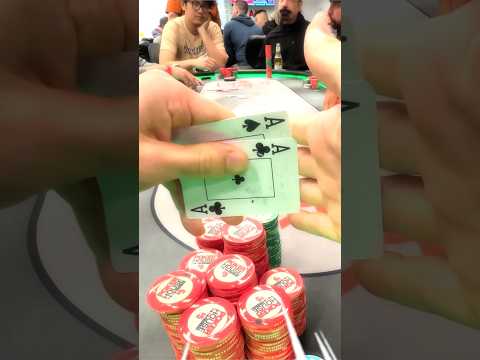
en.wikipedia.org Live casino dealers go through extensive training that covers game mechanics, on‑camera presentation, accent‑neutral speech, and crisis management. Most studios recruit from hospitality backgrounds or traditional casino floors, then subject candidates to weeks of simulated broadcasts before they appear on a public table. The dealer needs to keep a friendly but professional demeanor through shifts that can extend several hours, all while executing precise hand movements that the overhead cameras pick up clearly. FS Casino’s live tables offer dealers who speak English fluently, and many tables also provide native speakers of other languages during peak hours. The chat function allows players send messages that the dealer sees on a monitor, and a good dealer will acknowledge wins, respond to rule questions, and maintain the conversation light without slowing down the game down.
Dealers adhere to strict procedural scripts for every action. When dealing blackjack, for example, they place the cards face‑up in a specific sequence, stop for the cameras to capture each hand, and call out the total clearly. If a dispute comes up, like a card getting stuck to the shoe or an ambiguous chip placement, the dealer stops the game and notifies the pit boss, who comes on camera to handle the issue. This escalation path mirrors what occurs on a physical casino floor and provides players confidence that errors get corrected transparently. The dealer is unable to see individual player accounts or bet histories beyond what the table interface shows, so conversations remain focused on the game itself rather than personal details.
FAQ
What precisely is a live dealer game?
A live dealer game transmits a real human dealer from a purpose-built studio right to a player’s device. Cameras record every card, wheel spin, or dice throw, and optical character recognition converts physical actions into on‑screen data. The player places bets through a digital interface, and the dealer replies in real time, often via chat. It combines the social feel of a brick‑and‑mortar casino with the convenience of online play.
By what means is fairness guaranteed in live dealer games?
Fairness is guaranteed by combining physical procedures with electronic monitoring. Cards are drawn from auto‑shufflers or pre‑arranged shoes that track every move; roulette wheels follow strict spin protocols; and multiple cameras capture the action. A pit boss can step in if a dispute arises. Independent testing agencies audit the studios and their equipment regularly, and players can examine time‑stamped bet histories to verify every outcome.
Is it necessary to have a fast internet connection to play?
A steady connection of at least 5 Mbps is advised for high‑definition streams without buffering. Higher speeds give extra headroom if other devices share the network. FS Casino’s platform self-tunes video quality when bandwidth fluctuates, and a stream quality selector enables users manually lower the resolution on metered connections. This maintains the game running smoothly even when conditions are not ideal.

Is it possible to play live dealer games on my phone?
Absolutely, all major live dealer titles are fully compatible with iOS and Android devices through a mobile browser. The interface reorganizes so the video feed sits at the top and the betting panel at the bottom, allowing one‑thumb play. Landscape mode usually provides the best view, while tablets provide a larger screen without sacrificing portability. No download is typically needed, as long as the device runs a modern HTML5 browser.
What’s the chat etiquette when playing live games?
Users should maintain messages friendly and on‑topic. The chat is designed for celebrating wins, asking rule questions, and light conversation, not for venting frustration or using offensive language. Dealers can silence or report disruptive users, and repeated misconduct may lead to account restrictions. Respecting the dealer’s pace and avoiding spam guarantees a pleasant atmosphere for everyone at the table.
How to select the right live table for my budget?
Start by examining the minimum and highest bet shown on each table thumbnail. FS Casino labels all tables distinctly, so players can eliminate games that go beyond their bankroll. Observing a full table for a few rounds also reveals the pace and dealer style. Low‑stakes tables with fewer seat occupants move faster, while VIP tables are for higher rollers who prefer a more measured rhythm.
What takes place if my stream freezes during a game?
If the stream freezes mid‑round, the system records a time‑stamped bet log. When the connection resumes, the interface verifies whether the wager was accepted before the interruption. If a bet was placed, it stays valid and the outcome is handled normally. The dealer may stop briefly until the feed stabilizes, and any technical issues are marked to the behind‑the‑scenes production team for immediate review.