
Okay, so check this out—I’ve been diving into the whole DeFi scene on Solana lately, and honestly, managing all those protocols on a mobile device felt like juggling flaming chainsaws. Seriously? My phone’s wallet apps were either clunky or just plain confusing. Then, I stumbled upon solflare, and whoa, things started clicking. Something felt off about how other wallets handled transaction history and staking—like they missed the mark on user experience. But Solflare? It’s kinda different. I wasn’t expecting much at first, but it quickly grew on me.
The first thing that caught my eye was how smooth the app is. Not just flashy, but genuinely intuitive. You know that feeling when an app isn’t just working but almost anticipating what you want next? That’s Solflare’s vibe. It’s like they really get the Solana ecosystem, not just as a tech stack but as a community with real needs. Navigating DeFi protocols used to feel like hopping through endless hoops—now it’s more like a casual stroll.
But here’s the kicker: the transaction history feature blew my mind. Most wallets show you a basic list, right? Dates, amounts, maybe a token name. Solflare goes a step further. It breaks down every transaction with context—staking rewards, swaps, fees—so you’re not left guessing what happened. That kind of clarity is very very important, especially when you’re juggling multiple DeFi projects. Honestly, it made me rethink how I track my portfolio on the go.
Still, I’m biased. I prefer apps that don’t drown me in data, but instead, present info that actually helps me make decisions. Solflare nails that balance, though it took me a minute to appreciate it fully. Initially, I thought it might just be another wallet with a slick interface, but after digging deeper, I realized it’s designed with staking and DeFi use cases at its core. Actually, wait—let me rephrase that. It’s not just about looking good; it’s about making DeFi accessible without sacrificing security or control.
Here’s the thing. Managing staking on mobile is no joke. You want quick access to your assets, but also the peace of mind that nothing’s slipping through cracks. Solflare’s staking dashboard offers a neat overview that’s surprisingly detailed without being overwhelming. You can claim rewards, check validator stats, and even switch stakes—all inside the app. For me, that was an aha! moment because I’d been using separate tools or desktop-only platforms before. Mobile convenience finally meets power.
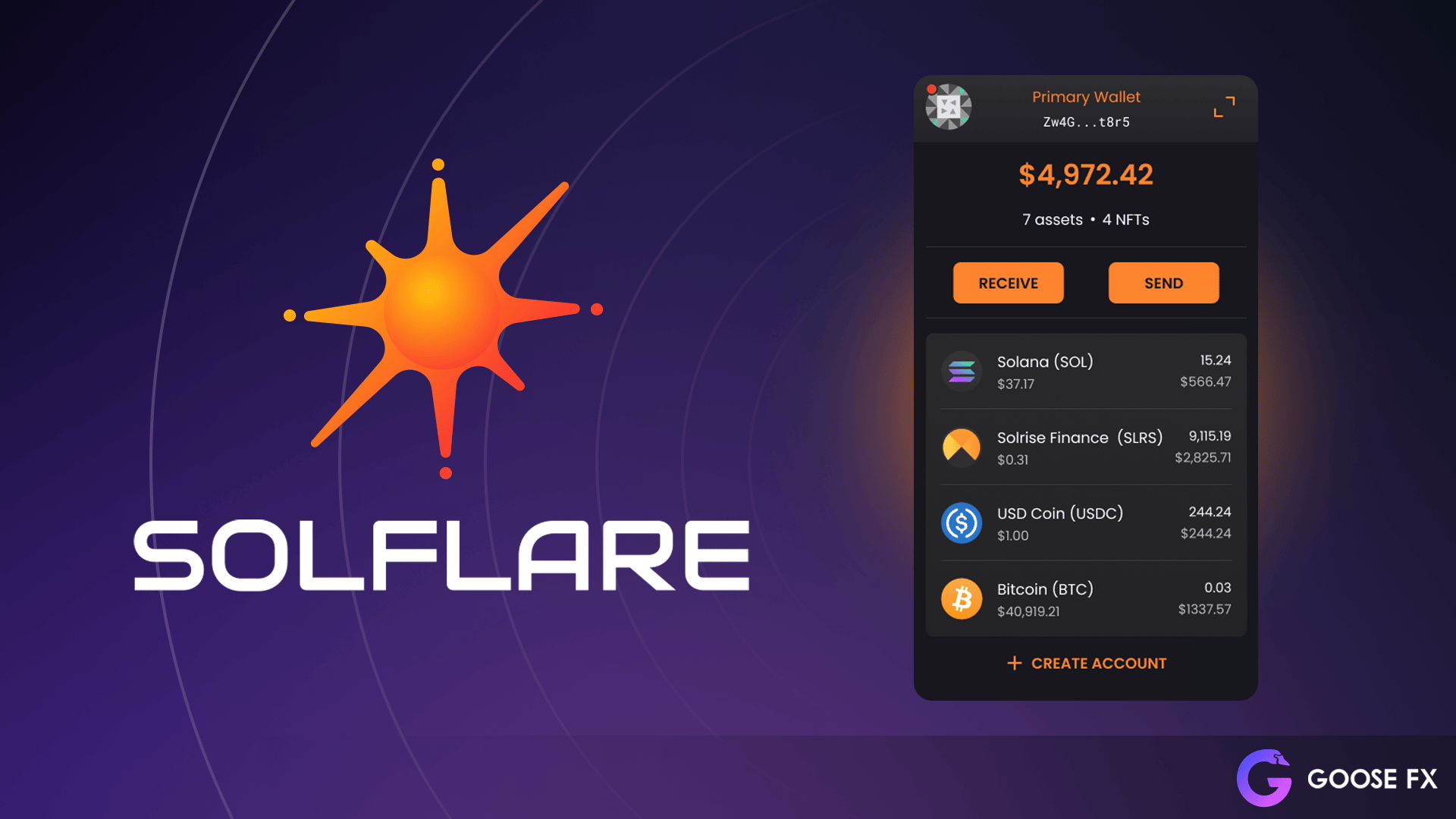
Now, I’m not gonna lie—there were moments when I wished the app could do more, like deeper analytics or integrated DeFi swaps directly inside. But hey, those features are evolving, and considering how much they’ve packed into this wallet already, it’s impressive. Plus, the security aspect is very very important. The app uses strong encryption and keeps your keys local, which is a huge relief for anyone worried about hacks or privacy.
Why Transaction History Matters More Than You Think
Let me tell ya, keeping track of your transactions in DeFi can get messy real quick. Especially on Solana, where speed means you might be swapping or staking dozens of times a day. Most wallets just list transactions chronologically—boring and not very helpful if you want to audit or troubleshoot. Solflare’s approach is more like having a personal assistant who summarizes every move with clarity.
For example, when you stake SOL or any token, you don’t just want to see “stake added.” You want to know which validator you chose, the amount locked, the rewards accumulating, and your unstaking status. Solflare lays all this out, so even if you’re a casual user, you won’t feel lost. That’s a big deal because DeFi’s reputation for complexity often scares newcomers away (oh, and by the way, that was totally me a few months ago).
Something else that bugs me about some wallets is how they handle UI clutter. You don’t want to scroll through endless lists with cryptic transaction hashes. Solflare smartly groups related transactions and uses clear labeling. It’s not perfect, but way better than what I’ve seen elsewhere.
So yeah, transaction history might sound boring on paper, but in practice, it’s the backbone of trust and transparency. Without it, you’re flying blind. Solflare’s mobile app nails this part, making it easier to reconcile your on-chain activity with your DeFi goals. And if you’re like me, who keeps double-checking everything, that peace of mind is priceless.
DeFi Protocols on the Go — How Solflare Handles Them
Okay, now here’s where things get interesting. DeFi on Solana is booming—liquidity pools, yield farms, NFT marketplaces, and more. But juggling multiple protocols on mobile has been a pain point. Many wallets treat these interactions as afterthoughts, tacking on support without seamless integration. Solflare, however, feels built with these in mind.
I tested it out with a few popular Solana DeFi protocols, and it handled staking, swapping tokens, and connecting to apps smoothly. The wallet’s integration with DApps feels natural, with just enough prompts to keep you informed without nagging. My instinct said that this balance is super hard to nail, especially on mobile where screen space is limited.
One small gripe is that the app sometimes takes a moment longer to sync with the blockchain during heavy network activity. But honestly, that’s more Solana’s congestion than Solflare’s fault. Plus, the developers seem on top of updates, rolling out fixes and new features regularly.
Here’s an example: I was swapping tokens via Serum DEX through the wallet. The process was straightforward, and the app even showed me estimated fees and slippage tolerance before confirming. That kind of transparency is refreshing. Many other wallets either hide this info or bury it deep in menus.
Long story short, if you’re into DeFi on Solana, Solflare’s mobile app is one of the smoother rides you’ll find right now. It’s not perfect, but it’s getting very very close to what the ecosystem needs.
Final Thoughts — Why I Keep Coming Back to Solflare
So after playing around with several wallets, I keep coming back to Solflare for daily use. It’s reliable, user-friendly, and designed with the nuances of Solana DeFi in mind. I’m not saying it’s flawless—there are features I’d love to see improved or added, and the occasional lag can test your patience. But hey, that’s crypto life.
What really sticks with me is how the mobile app respects the user’s time and security without sacrificing functionality. That’s rare. Plus, the transaction history and staking tools feel like they were made by people who actually use DeFi, not just developers trying to check a box. I’m biased, but that’s a huge deal in this space.
Anyway, if you’re looking for a wallet that can keep up with your Solana DeFi adventures on mobile, give solflare a shot. It might surprise you how much easier managing your crypto can feel. And yeah, I’m still learning the ropes here, but Solflare definitely makes the ride less bumpy.